Healthy eating can look a little different as we get older. Appetite may change. Certain foods may become harder to tolerate. Medications can also affect what feels best to eat and drink. In some cases, foods that once seemed harmless may deserve a second look.
That does not mean every meal has to be carefully managed or stripped of enjoyment. It simply means paying a little more attention to the choices that can affect energy, heart health, digestion, and overall well-being. Older adults also face a higher risk of serious illness from certain foodborne germs, which makes food safety part of the conversation too. (1)
Here are 10 foods and drinks seniors may want to avoid or limit.
1. Raw or undercooked eggs
Eggs are a good source of protein, but they should be prepared carefully. For older adults, raw or undercooked eggs can carry a greater food safety risk because they may contain harmful bacteria such as Salmonella. That includes foods made with uncooked egg, such as some homemade dressings, sauces, and desserts.
2. Raw or undercooked meats
Like undercooked eggs, undercooked meat can expose older adults to harmful bacteria that cause foodborne illness. The CDC specifically recommends safer food choices for adults 65 and older, including avoiding undercooked meat. This is one of the clearest areas where food safety makes a meaningful difference.
3. High-sodium foods
Many packaged and highly processed foods contain far more sodium than people realize. Over time, too much sodium can work against heart-health goals and may be a concern for older adults managing blood pressure. Older adults are encouraged to limit foods high in sodium and choose more nutrient-dense options when possible.
4. Caffeine
Caffeine is not automatically off-limits, but it is worth paying attention to. For some older adults, too much caffeine can contribute to sleep disruption, jitters, or discomfort, especially when there are underlying health concerns or medication sensitivities. This is one of those areas where moderation and individual tolerance matter.
5. Sodas
Regular soft drinks can be high in added sugar and offer little nutritional value in return. Over time, habits like these can make it harder to maintain a balanced diet built around more nourishing foods. Guidance for older adults recommends limiting foods and beverages high in added sugars, which makes soda an easy place to cut back. (2)
6. Sugary juices
Juice can sound like a healthy choice, but some varieties are packed with added sugar and can be closer to a soft drink than people realize. Even 100% juice is best approached with some awareness, especially if blood sugar is a concern. Older-adult nutrition guidance recommends limiting added sugars and making room for foods and drinks that offer more lasting nutritional value.
7. Diet and Sugar-free drinks
Sugar-free drinks can seem like the better alternative, but they are not always the most helpful everyday choice. In many cases, they still keep the habit of reaching for highly processed beverages in place. Water, sparkling water, or unsweetened drinks are often a simpler option if the goal is to build healthier routines over time.
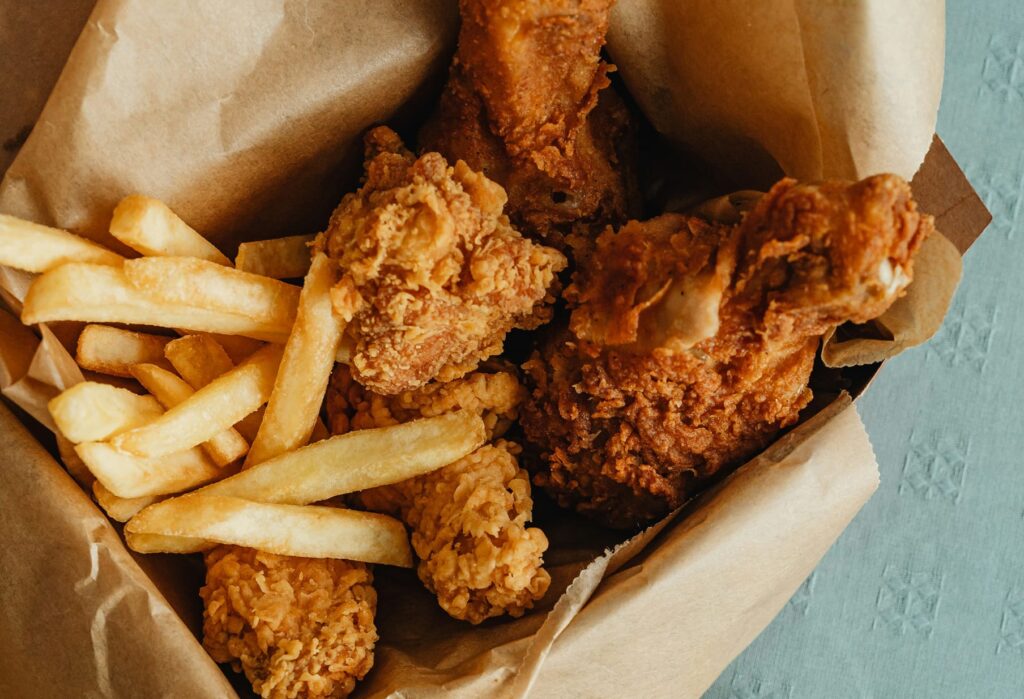
8. Fried foods
Fried foods tend to be high in saturated fat and can be harder to work into an overall eating pattern centered on heart health. That does not mean they can never be enjoyed, but they are usually best treated as an occasional choice rather than a daily staple.
9. Grapefruit
Grapefruit is healthy in many contexts, but it can be a problem for some people because it interacts with certain medications. The FDA notes that grapefruit and grapefruit juice can affect how some prescription and over-the-counter drugs work. For older adults who take regular medications, that makes this an important one to ask about.
10. Alcohol
Alcohol is another item that may need a closer look with age. The National Institute on Aging points out that older adults can feel alcohol’s effects more strongly, and alcohol can interact dangerously with some medications. It can also increase the risk of falls and other safety concerns.
Taste the Buckner Difference
Buckner Westminster Place’s’
culinary experiences are expertly curated by professional chefs who focus on creating meals that feel satisfying, healthy, and genuinely enjoyable—nourishing body and soul.
With a focus on REAL food, our extensive menus offer a variety of perennial favorites, seasonal specialties, and familiar comfort food, all crafted to bring out the flavors of the freshest ingredients.
Want to learn more about living (and dining) well at Buckner Westminster Place? Contact us today to explore a lifestyle that supports wellness, connection, and greater ease in daily life.
- https://www.cdc.gov/food-safety/foods/adults-65-older.html?utm
- https://www.nia.nih.gov/health/healthy-eating-nutrition-and-diet/healthy-meal-planning-tips-older-adults